A learning experience platform uses an AI-driven peer learning approach to teach employees in a self-directed way. Find out how LXPs work and are used.
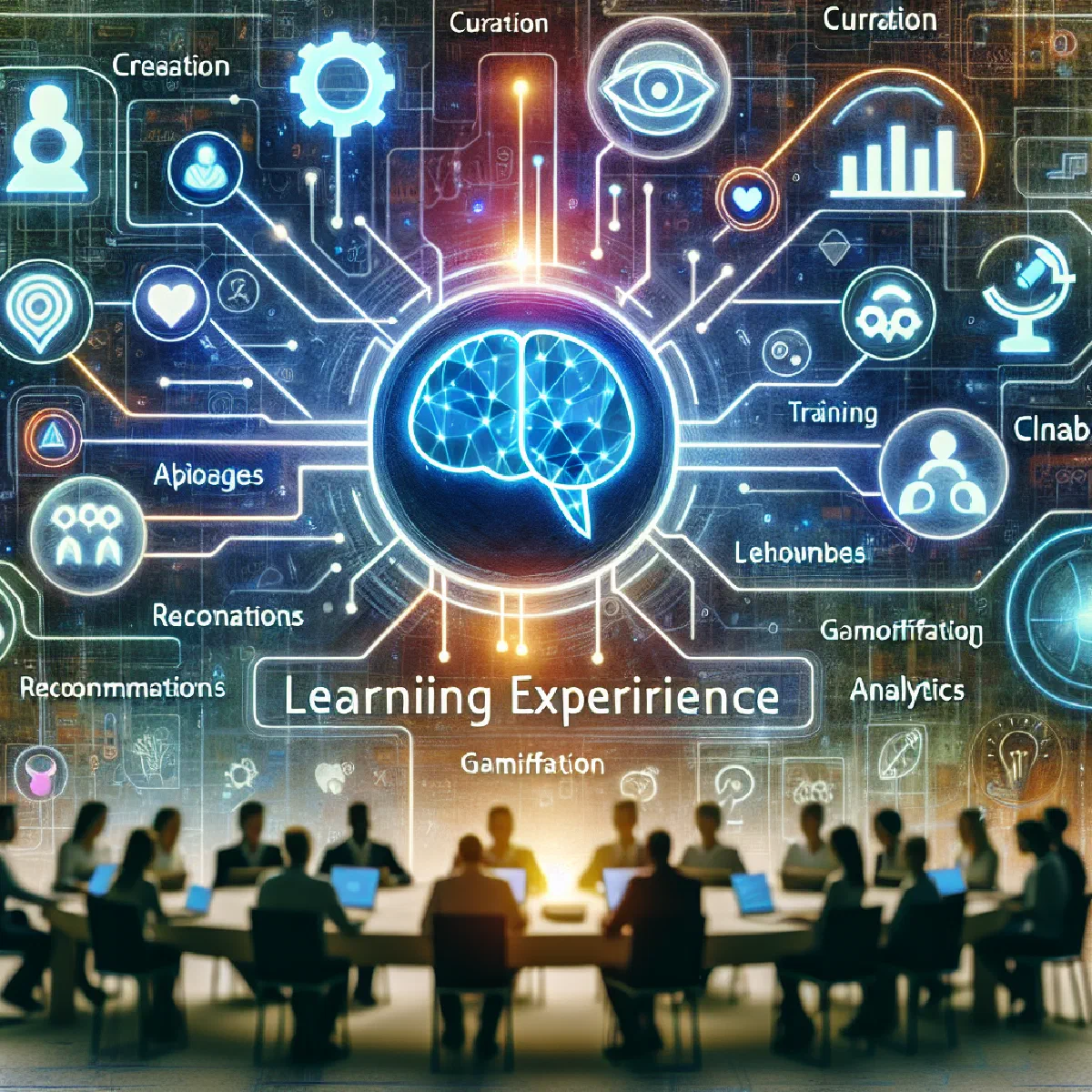
Discover how AI-driven learning experience platforms empower employees with self-directed, personalized training and agile learning solutions.
The web article discusses learning experience platforms (LXPs) and their benefits in the context of employee learning and development. LXPs are described as modern platforms that provide a consumer-grade user experience, similar to popular social networking and multimedia sites. They support self-directed learning and personalized recommendations using artificial intelligence (AI). LXPs offer features such as content creation, curation, AI-based recommendations and training, analytics, chatbots, gamification, and integration with e-learning content providers and third-party technology platforms. The article highlights the key benefits of LXPs, including tailored and customized learning paths, agile learning experiences that deliver content quickly and flexibly, and the democratization of the learning experience by giving control to end users. It also compares LXPs to learning management systems (LMS), emphasizing that LXPs provide open-ended discovery platforms with the incorporation and sharing of third-party content, while LMSs confine learners to a defined curriculum. The article concludes by mentioning the increasing popularity of LXPs, especially with the rise of remote work caused by the COVID-19 pandemic.
https://www.techtarget.com/searchhrsoftware/definition/learning-experience-platform-LXP
Nobody takes you aside anymore
Print taught a generation when to stop. What we lose when the machines absorb the constraints that used to form us.
Your AI agents need a water cooler
Coordination is a property of the room, not the org chart. What that means when your coworkers are agents.
On the death of the author and the birth of the detector
Why worrying about AI authorship is lazier, and more prejudiced, than it looks.
The work of being available now
A book on AI, judgment, and staying human at work.
The practice of work in progress
Practical essays on how work actually gets done.
Memory is (almost) solved. time is next.
AI can't tell if a memory is two minutes or two weeks old. The fix isn't making models feel time — it's cache invalidation: an as-of stamp on every fact, a clock in the context, and a freshness window for anything volatile.
The game-changing impact of AI
Explore how AI is revolutionizing healthcare, finance, education, retail, and HR, creating new opportunities in 2024 and beyond.
Jasper is a useful tool for developing employee training.
Transform employee training with Jasper by aligning programs to business goals, engaging diverse learning styles, and using innovative methods for success.
Discover how generative AI is more likely to augment jobs rather than replace them, transforming tasks and creating new opportunities for efficiency and innovation.
Explore how generative AI enhances jobs by automating tasks, fostering efficiency, and creating new opportunities instead of replacing human roles.